Last Updated on January 6, 2026 by foxintheforest
The perfect Colorado road trip requires 7-10 days to visit the state’s four national parks (Rocky Mountain, Great Sand Dunes, Mesa Verde, and Black Canyon of the Gunnison), explore iconic mountain towns like Telluride and Ouray, and drive scenic byways including the Million Dollar Highway and Trail Ridge Road. This flexible itinerary works for 5-14 days depending on your pace, with daily costs ranging from $100-300+ per person.
I’ve lived in Colorado for nearly 20 years and I spend all of my summers on the road exploring this state. Once a weekend warrior driving I-70 every Friday evening, I turned my obsession with Colorado road tripping into a full-time career writing for the outdoor industry. Needless to say, if it exists, I’ve probably done it.
As a seasoned local and outdoor professional, I’ve driven every scenic byway, hiked hundreds of trails, and discovered which spots deliver authentic Colorado experiences versus tourist traps. I know exactly how to structure a road trip that balances jaw-dropping scenery with realistic drive times, avoids the worst crowds, and captures Colorado’s diverse landscapes from alpine peaks to desert canyons.
You won’t find better advice about traveling in Colorado anywhere else on the web. This is the road trip I wish I’d had when I first moved here.
Quick Planning Guide: How Many Days Do You Need?
| Trip Length | What You’ll See | Best For | Pace |
|---|---|---|---|
| 5 days | RMNP + 1-2 highlights | Time-pressed travelers | Fast, lots of driving |
| 7 days | 2-3 national parks + mountain towns | Most travelers | Moderate, balanced, good amount of driving |
| 10 days | All 4 national parks + scenic drives | Comprehensive experience | Comfortable, flexible, multiple days in one location |
| 14 days | Everything + extended hiking/exploring | Ultimate Colorado immersion | Relaxed, in-depth, or many days in one area |
My Recommendation: Aim for 7-10 days. Five days feels rushed, while 14 lets you really soak in each destination. Seven days hits the sweet spot for seeing Colorado’s highlights without living in your car.
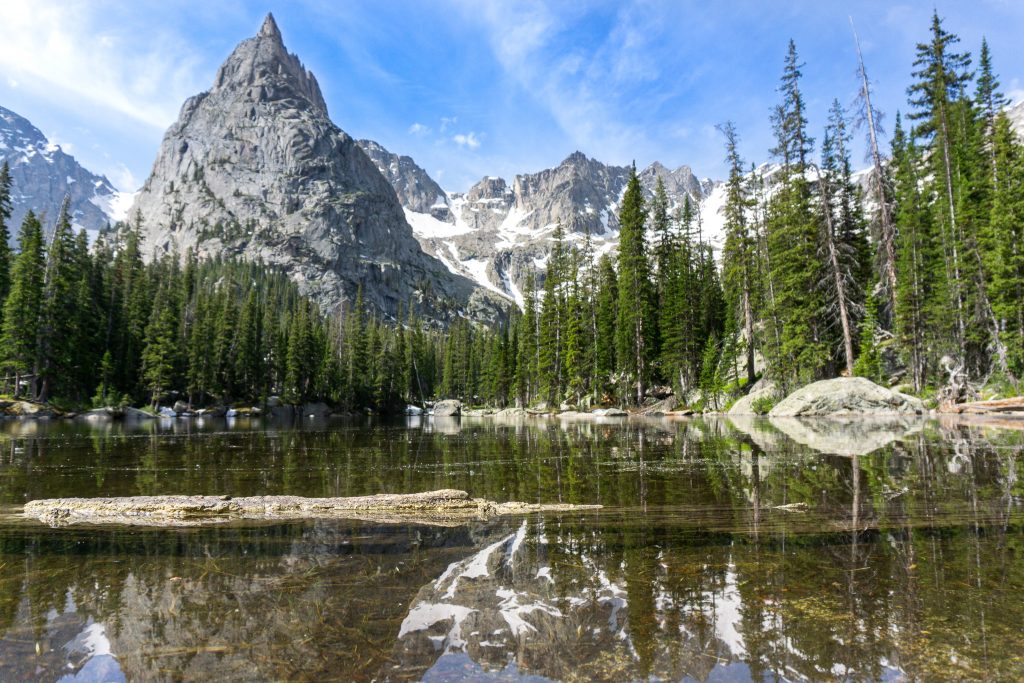
Table of Contents
- Before You Go: Essential Planning
- Costs & Budgeting
- 7-Day Base Itinerary
- 10-Day Extended Itinerary
- 5-Day Quick Itinerary
- 14-Day Ultimate Road Trip
- Route Maps & Options
- FAQ
Before You Go: Essential Colorado Road Trip Planning
Best Time for a Colorado Road Trip
July through September is prime road trip season when all mountain passes are open, weather is most stable, and you can access high-elevation trails. However, this is also peak tourist season with maximum crowds and high prices.
My Take: Early September hits the sweet spot. You’ll have more stable weather (the daily monsoon is long gone) and kids are back in school. This time also avoids the July-August crush. I do most of my road tripping in the shoulder season. I will venture into lesser-known areas of Colorado in July and August.
Month-by-Month Breakdown:
May-June (Spring/Early Summer)
- Pros: Wildflowers start blooming late June, fewer crowds in May, shoulder season prices in May, waterfalls run strong from snowmelt.
- Cons: High-elevation trails still snow-covered and areas can be inaccessible, afternoon storms increase by June, mud season in some areas.
- Best for: Travelers who don’t want to hike in the high altitude mountains.
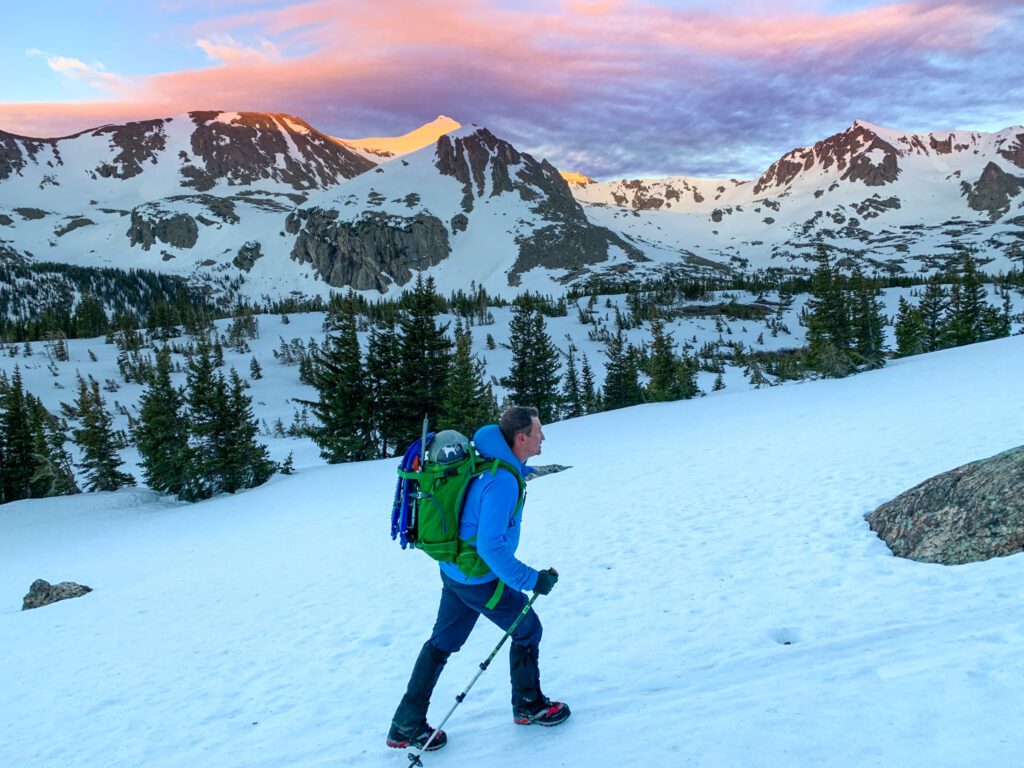
July-August (Peak Summer)
- Pros: All roads and trails open, weather is warm by mountain standards, long daylight hours (sunrise ~5:30 am, sunset ~8:30 pm), peak wildflowers in high country.
- Cons: MAXIMUM crowds, highest prices, afternoon thunderstorms common and dangerous above treeline, hard to find camping on weekends near Denver, wildfire season is starting, I-70 traffic is brutal on holidays and weekends.
- Best for: Families with school-age kids, first-time visitors who want guaranteed access.

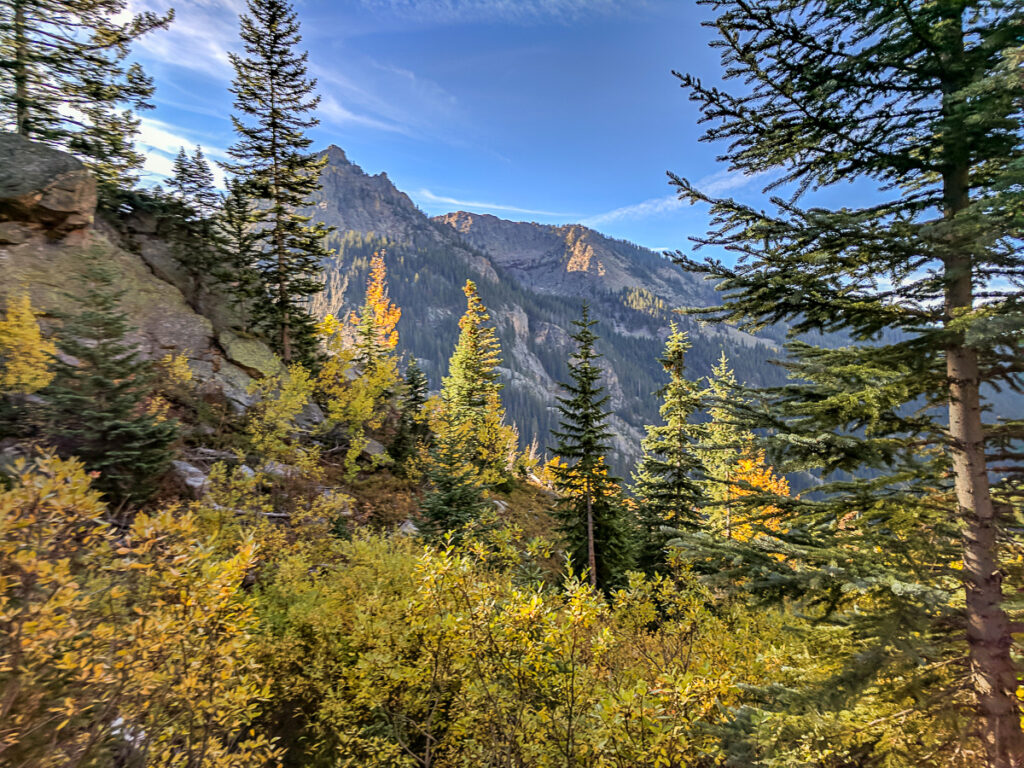
September-Early October (Fall)
- Pros: Aspen groves turn gold (late September), fewer crowds after Labor Day, pleasant temps, stable weather, elk rut in RMNP.
- Cons: Some high passes close by late September, shorter days, can snow in mountains, some campgrounds close after Labor Day, September is typically high season for wildfires.
- Best for: Photographers, couples, leaf-peepers.
Late October-April (Winter)
- Pros: Skiing (Jan through March), hot springs, winter activities, lowest prices (except ski towns).
- Cons: Trail Ridge Road closed, Independence Pass closed, avalanche danger, challenging driving, many campgrounds closed. Spring can be windy.
- Best for: Skiers, hot springs enthusiasts, winter sports lovers.
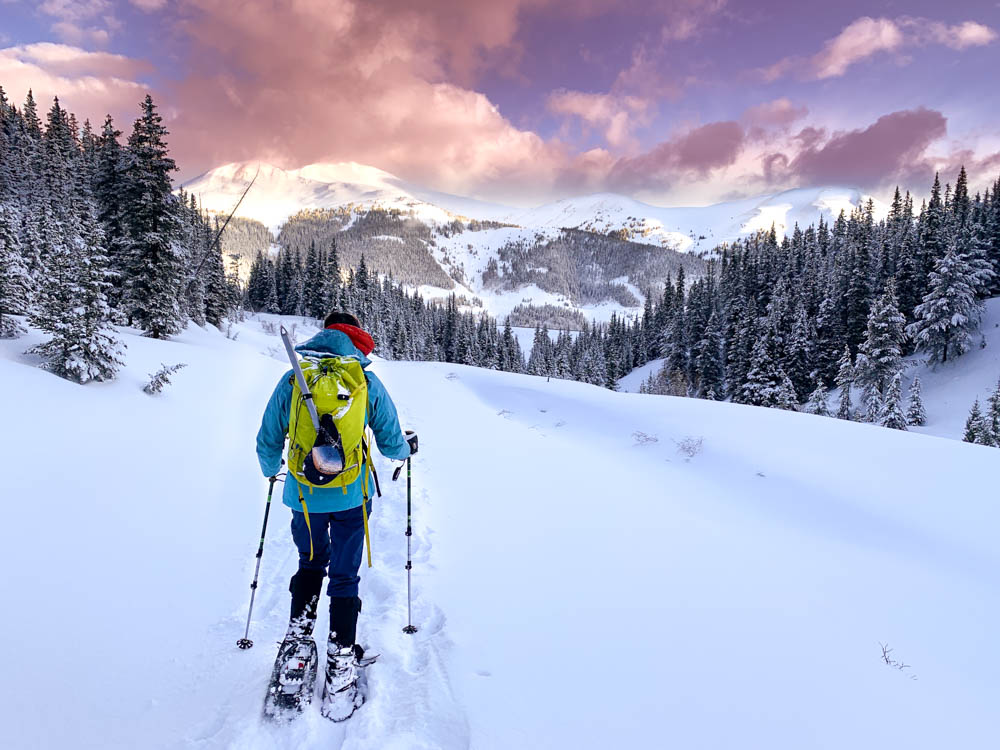
I almost exclusively road trip in Colorado from mid-June through September, with early September, particularly the week after Labor Day, being my favorite time to be road tripping in Colorado. Sometimes I’ll suck it up in mid-July to early August for the wildflowers, but I almost exclusively avoid July as it tends to be extremely busy and pesky afternoon thunderstorms frequently dampen plans.
Starting Point & Route Options
Flying Into Denver vs Colorado Springs
Denver International Airport (DIA):
- More flight options, better prices
- 40 minutes from downtown Denver, 1.5 hours to mountain destinations
- Start/end point for most itineraries
- Downside: Far from literally everything (welcome to Colorado, where are airport might as well be in Kansas)
Colorado Springs Airport:
- Smaller, fewer flights, often more expensive
- Closer to southern Colorado destinations
- Great if you’re starting with Garden of the Gods, Great Sand Dunes, or Mesa Verde
- Downside: Limited flight options, less convenient for northern Colorado
My Recommendation: Fly into Denver unless you find an amazing deal to Colorado Springs. Denver gives you more flexibility and better rental car options.
One-Way vs Loop Itineraries
Loop (Starting and ending in Denver):
- Most economical (no one-way car rental fees)
- Easier logistics
- All itineraries in this guide are loops
One-Way (Denver to a different city):
- More flexible routing
- Can skip backtracking
- One-way rental fees can add $100-500 to your trip
- Consider: Denver to Las Vegas, Denver to Moab, Denver to Salt Lake City, or Denver to the Grand Canyon (a personal favorite).
Permits & Reservations: Book These NOW
Colorado’s popularity means many destinations require advance permits or reservations. Here’s what you need to book months ahead:
Rocky Mountain National Park
- Timed Entry Permit required May through October
- Cost: $2 (plus $35 park entrance or America the Beautiful Pass)
- Book: Up to 90 days in advance at Recreation.gov
- My tip: Book the moment reservations open. Popular time slots (7am-noon) sell out in minutes, especially Bear Lake Corridor
Hanging Lake
- Permit required year-round
- Cost: $12 per person. No dogs allowed
- Book: 4+ months in advance (they release permits in batches)
- Current Status: Check for trail closures due to 2021 fire damage rehabilitation (yes, that’s still going on even in 2026) The 6 am timeslot is best. We had the place to ourselves when we booked it. This trail gets HOT in the summer here!
Maroon Bells Scenic Area
- Bus or parking reservation required (car access only for overnight or 24hr permit holders)
- Cost: Bus $16 round-trip, parking reservation $10. Free with the America the Buautiful Pass (parking only)
- Book: Aspen Chamber of Commerce
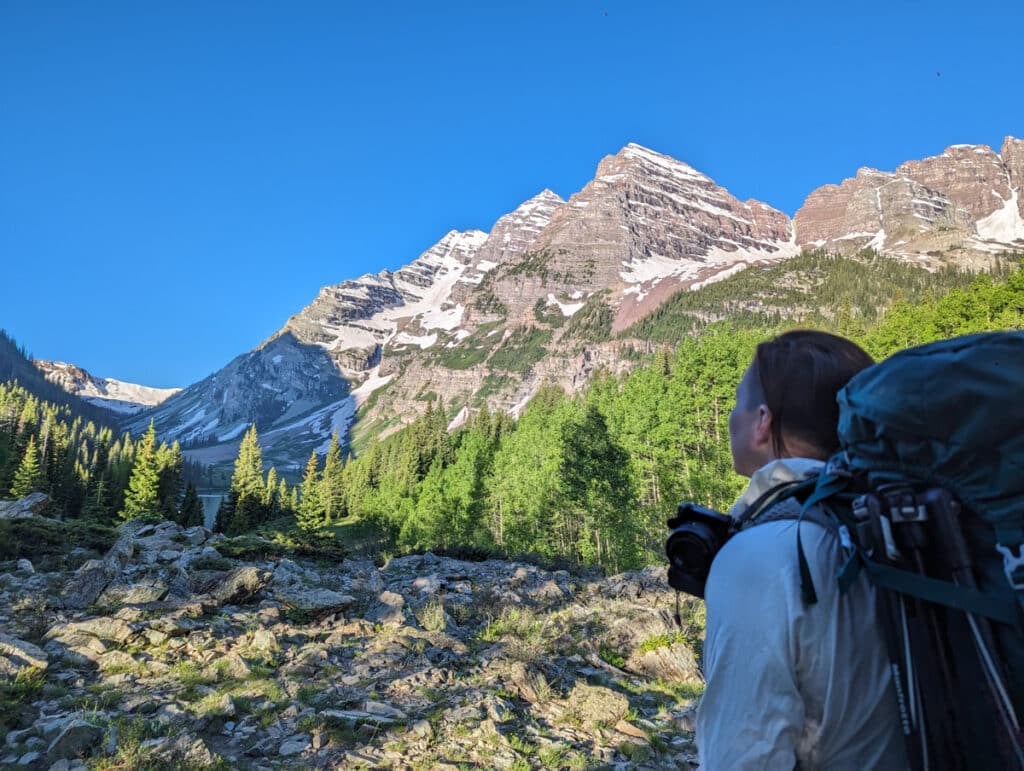
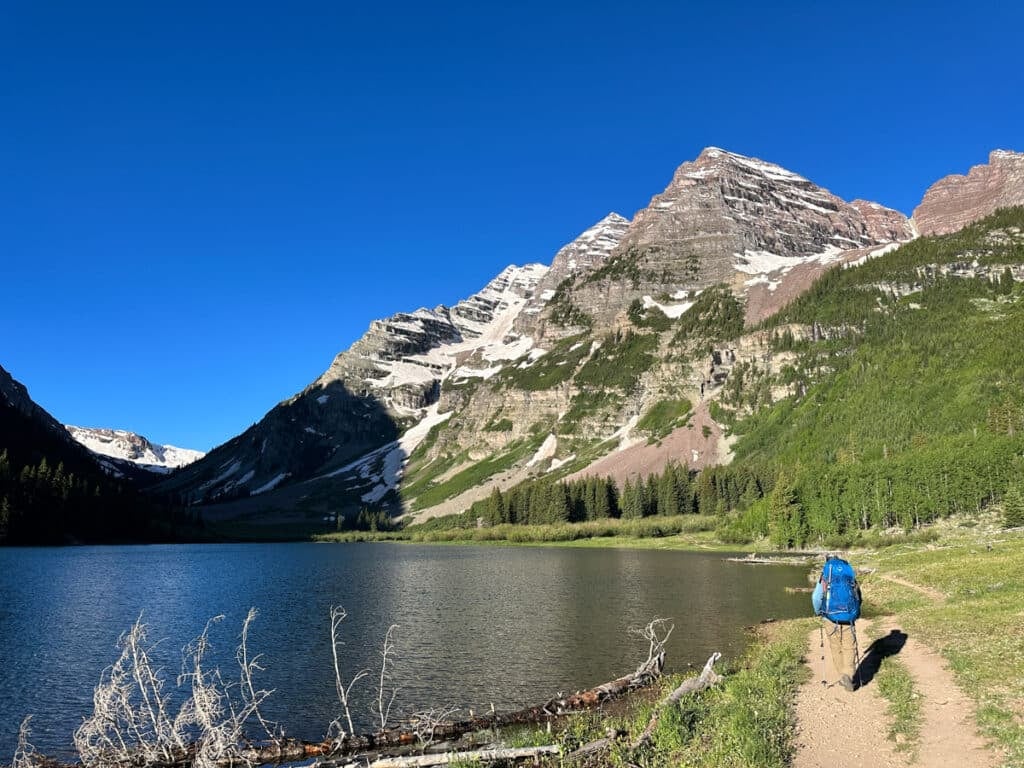
- My tip: Book these immediately. Weekends will fill up. If you’re a photographer or doing a long hike here, get the 24 hour pass. People backpacking the Four Passes Loop will get an email about parking with their permit. Book immediately with the email as parking passes do sell out fast.
- Local Tip: The Maroon Bells Scenic Area is only open to driving from late May through October, the road closes in winter and this becomes a very challenging hike up a road that passes through avalanche terrain. Winter travel is not advised.
Mesa Verde Cliff Dwelling Tours
- Guided tours required for Cliff Palace, Balcony House
- Cost: $8 per tour
- Book: Up to 14 days in advance at recreation.gov
- My tip: Book tours for late afternoon to avoid midday crowds and heat. Tours are only available during certain times of the year. The park is best done with a tour, so if you can’t book one, perhaps swap this experience for something different.
Camping Reservations Throughout Colorado
- Popular campgrounds (RMNP, Great Sand Dunes, Mesa Verde, Stillwater Campground) fill months in advance, often immediately when they open.
- Book: A lot of camping in Colorado books exactly 6 months ahead at 8am MT. Camping is competitive. Most can be reserved via recreation.gov, but you must know the campground in order to reserve.
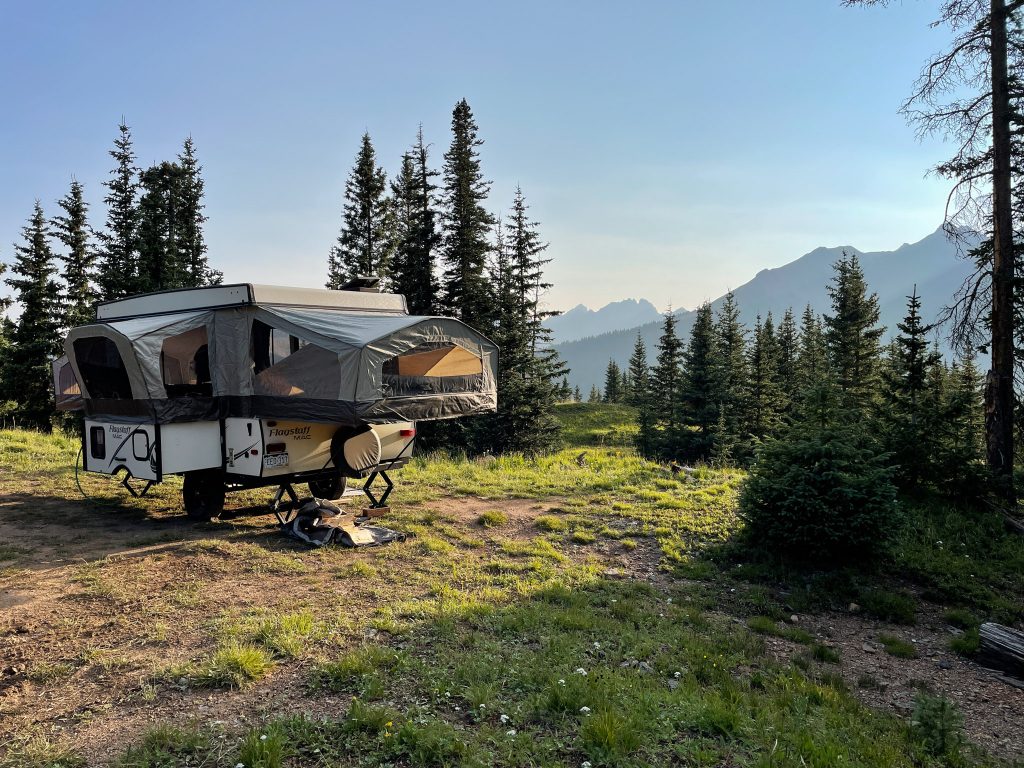
- Alternative: Dispersed camping on BLM/Forest Service land (free, no reservations). Use a tool like OnX Offroad to find dispersed camping on public land. Be prepared to pack in all of your supplies (food, water, etc) and pack out all of your trash (this includes your toilet paper!).
Budget Planning: What Will This Actually Cost?
Colorado isn’t cheap. With dispersed camping and backpacking, you can take the price down quite a bit, but expect to pay to play. Mountain towns have higher prices than cities for things like groceries, gas, and restaurants. Based on current 2025-2026 prices, here’s what to budget per person for a 7-day Colorado road trip:
BUDGET TRIP: $700-1,050 total ($100-150/day)
- Lodging: Camping/dispersed camping, budget motels ($0-50/night for camping, $150-$200 a night for budget motels)
- Food: Groceries, occasional cheap eats ($30-50/day)
- Gas: Economy car, split costs ($200-300 total). NOTE: Check access for your chosen hiking trails, many trails require an SUV with clearance to reach the trailhead.
- Activities: Free hikes, scenic drives, parks pass ($150-200 total)
- Total per person: $700-1,050 for 7 days
MID-RANGE TRIP: $1,400-2,100 total ($200-300/day)
- Lodging: Mid-range hotels, nice Airbnbs ($200-250/night)
- Food: Mix of restaurants and groceries ($60-100/day)
- Gas: Standard vehicle ($300-400 total)
- Activities: Guided tours, hot springs, permits ($200-300 total)
- Total per person: $1,400-2,100 for 7 days
LUXURY TRIP: $2,800+ total ($400+/day)
- Lodging: Boutique hotels, mountain resorts ($250-500/night)
- Food: Nice restaurants, breweries ($120-200/day)
- Gas: SUV or premium vehicle ($400-500 total)
- Activities: Guided adventures, spa treatments, premium experiences ($400+)
- Total per person: $2,800+ for 7 days
Money-Saving Tips from a Local:
- Camp dispersed on Forest Service/BLM land (completely free, legal, abundant). But LEAVE NO TRACE and respect campfire bans. Check out my guide to camping in Colorado for more info.
- Grocery shop in real towns (not ski resort markets where a sandwich costs $25)
- Get America the Beautiful Pass ($80 covers all national parks for a year)
- Visit in shoulder season (May or early September or October for 30-50% lodging savings)
- Skip ski towns when possible (Ouray instead of Telluride saves $100+/night)
- Pack your own snacks and lunches (mountain town restaurant prices are brutal)
- Fill up gas in bigger towns (mountain gas stations charge premium prices)
Money-Saving Strategies
Lodging Savings:
- Dispersed camping (free, abundant in Colorado)
- Camp at less popular campgrounds (half the price of RMNP)
- Stay in towns without ski resorts (Ouray vs Telluride = $200/night savings)
- Use points/rewards for chain hotels
- Book shoulder season (save 30-50%)
Food Savings:
- Grocery shop in real towns (not resort areas)
- Pack cooler with snacks, sandwich supplies
- Eat big breakfast, pack lunch, splurge on dinner
- Happy hours in mountain towns (4-6pm typically)
- Avoid resort village restaurants (50-100% markup)
Activity Savings:
- America the Beautiful Pass ($80, covers all NPs for a year)
- Free activities: scenic drives, most hikes, Garden of the Gods
- Self-guided tours vs paid guided tours
- Sunrise/sunset viewing (free, best light, fewer crowds)
Altitude Acclimatization: Don’t Skip This
Colorado’s elevation will affect you, even if you’re fit. This itinerary is structured for gradual elevation gain to minimize altitude sickness.
Elevation Chart:
- Denver: 5,280 feet
- Colorado Springs: 6,035 feet
- Great Sand Dunes: 8,200 feet
- Ouray: 7,792 feet
- Telluride: 8,750 feet
- Black Canyon (South Rim): 8,000 feet
- Breckenridge: 9,600 feet
- Trail Ridge Road summit: 12,183 feet
- Rocky Mountain NP trailheads: 9,500-14,000+ feet
Altitude Sickness Prevention:
- Day 1-2: Stay below 8,000 feet (Colorado Springs, lower elevation areas)
- Hydrate constantly: Drink 2-3x more water than normal, seriously. Pre-hydrate 1-2 days before travel.
- Avoid alcohol first 24-48 hours: It dehydrates you and worsens symptoms.
- Take it easy on your first day (no intense hiking immediately)
- Eat frequent small meals: helps your body adjust.
- Sleep at a lower elevation than you hike if possible.
Symptoms to Watch For:
- Headache, nausea, fatigue, shortness of breath, dizziness
- If symptoms are severe: Descend immediately. Altitude sickness can be serious.
I used to think that altitude sickness was rather rare below 10,000 feet. But then I saw a friend of a friend get HAPE (high altitude pulmonary edema) hiking at 7,000 feet. That was intense.
Even locals can get sick from altitude. I once got altitude sickness going to Breckenridge and had to come home early.
At the end of the day, it really is luck of the draw, so do your best and set your expectations accordingly.
What to Pack for Your Colorado Road Trip
Vehicle Requirements:
- You DON’T need 4WD for this itinerary (all paved roads)
- 4WD IS helpful for: Dispersed camping access, exploring side roads, some trailhead access for other Colorado hikes, and winter travel
- AWD is nice to have but not required
- Any reliable car works for this trip
Essential Gear:
What to wear:
- Sunshirt
- Noncotton socks
- Hiking footwear with good traction that you are comfortable wearing all day.
- Non-cotton shorts for hiking
- Or non-cotton, pants for hiking. Convertible pants are great too!
- Non-cotton shirt for hiking
What to pack:
- Hiking day pack. I love the REI Flash 22 for an affordable day pack.
- Water and snacks for the car – it’s always nice to have a treat at the end!
- Sunscreen, sunhat, sunglasses
- First Aid Kit
- Electrolyte powder – optional but nice to have!
- A water bladder capable of carrying at least 2 liters of water or two 1 L SmartWater Bottles
- Camera
- Camera clip to strap to your pack (optional)
- Beanie
- Glove liners
- Fleece layer
- Puffy layer
- Hiking poles (optional)
- A toilet kit: shovel, WAG Bag (if you plan to travel above treeline), hand sanitizer, TP/baby wipes, a small plastic baggy to pack out TP and sanitary items
- Pee funnel – optional
- Pee rag – optional.
- Headlamp
- GPS navigation
- emergency communication device
- Wind/rain layer
- Pocket knife
*NOTE These are affiliate links. Meaning I get a small kickback from every purchase, no matter the purchase, at no additional cost to you. This is a small way you can show support for my channel and it means a lot, so thank you!
The Itinerary: 7-Day Colorado Road Trip
This is your base itinerary – the perfect one-week Colorado loop starting and ending in Denver. Each day balances driving with activities, includes crowd-avoiding strategies, and hits the absolute highlights.
Total Driving: ~1,100 miles over 7 days
Average Daily Drive: 2-3 hours
Loop: Clockwise from Denver
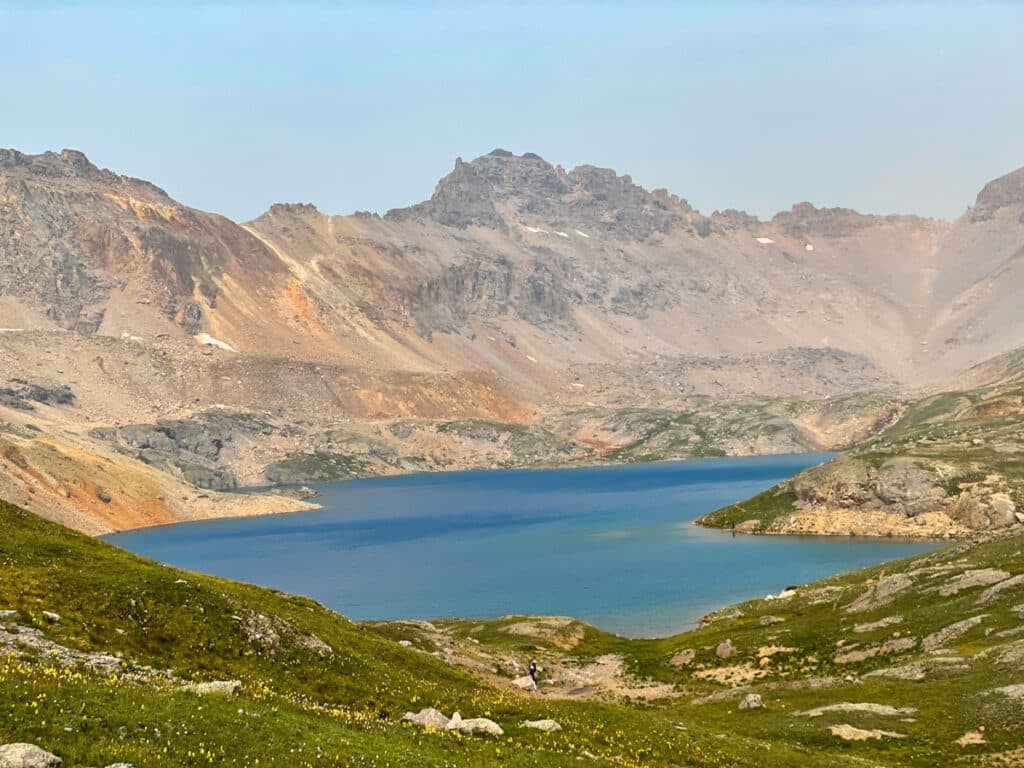
Day 1: Colorado Springs & Garden of the Gods
Drive from Denver: 1 hour 15 min, 70 miles south on I-25
Starting in Colorado Springs serves two purposes: it’s lower elevation (6,035 feet) for acclimatization, and it’s incredibly budget-friendly compared to mountain towns. Garden of the Gods is FREE and absolutely stunning. Get there early to avoid the crowds.
Why Start Here: Your body needs time to adjust to altitude. Spending your first day/night at moderate elevation (rather than jumping straight to 9,000+ feet) significantly reduces altitude sickness risk.
Top Activities in and Around Colorado Springs:
Garden of the Gods (2-3 hours)
- Free admission (thanks to benefactor Charles Perkins who gifted it to the public)
- Iconic red rock formations with Pikes Peak backdrop
- Easy paved trails: Perkins Central Garden Trail (1.5 miles), Ridge Loop
- Best time to visit: Sunrise or late afternoon for photos and smaller crowds
- Avoid: Summer weekends when it’s packed
Pikes Peak (3-4 hours round-trip)
- Drive or ride the Cog Railway to 14,115 feet
- Highway: $15 per adult, $5 per child (6-15), or $50 per vehicle (up to 5 people)
- Cog Railway: $58-68 per person (book ahead)
- My take: The drive is spectacular and more flexible than the train. But kids will love the train.
- Warning: Summit weather is COLD (think below freezing) and windy even in July. Bring layers.
- Altitude note: You’ll feel the thin air at 14,000+ feet
Manitou Springs
- Quirky mountain town at the base of Pikes Peak
- Unique shops, galleries, arcades
- Manitou Incline (optional): Brutal 2,000+ foot elevation gain in under a mile (for the hardcore). Frankly, I find the Manitou Incline underwhelming and boring, but people love it, so it’s on here.
- Natural mineral springs you can sample throughout town
Where to Eat:
- Adam’s Mountain Cafe breakfast/brunch, vegetarian-friendly, local favorite
- Shuga’s comfort food, reasonable prices, big portions
- The Rabbit Hole quirky American fare, fun atmosphere
- Budget option: Grab groceries at Safeway or King Soopers for picnic supplies
Where to Stay:
- Budget: Garden of the Gods RV Resort (tent sites ~$45), Mecca Motel (clean, basic, close to Garden, ~$70)
- Mid-Range: The Mining Exchange Hotel (historic downtown, ~$150), Kinship Landing (~$140)
- Splurge: The Broadmoor (iconic luxury resort, $350+, worth it if it’s in your budget)
- Free camping: Dispersed camping in Pike National Forest (30-45 min drive west)
Local Tips:
- Garden of the Gods gets HOT midday in summer. Go early or late.
- Save the Pikes Peak drive for early morning or late afternoon – avoid between 11 and 3 pm due to thunderstorms.
- Colorado Springs is conservative compared to Denver/Boulder – just FYI.
- Stock up on groceries here – it’s your last cheap option for a while.
I have a few close friends who live in the Springs, and I’m down there quite a bit. Honestly, it’s a strange place with a bit of an uneasy vibe, but it does have a few things worth seeing.
What sets it apart is it has a bit more of a desert feel, which is unexpected for most people.
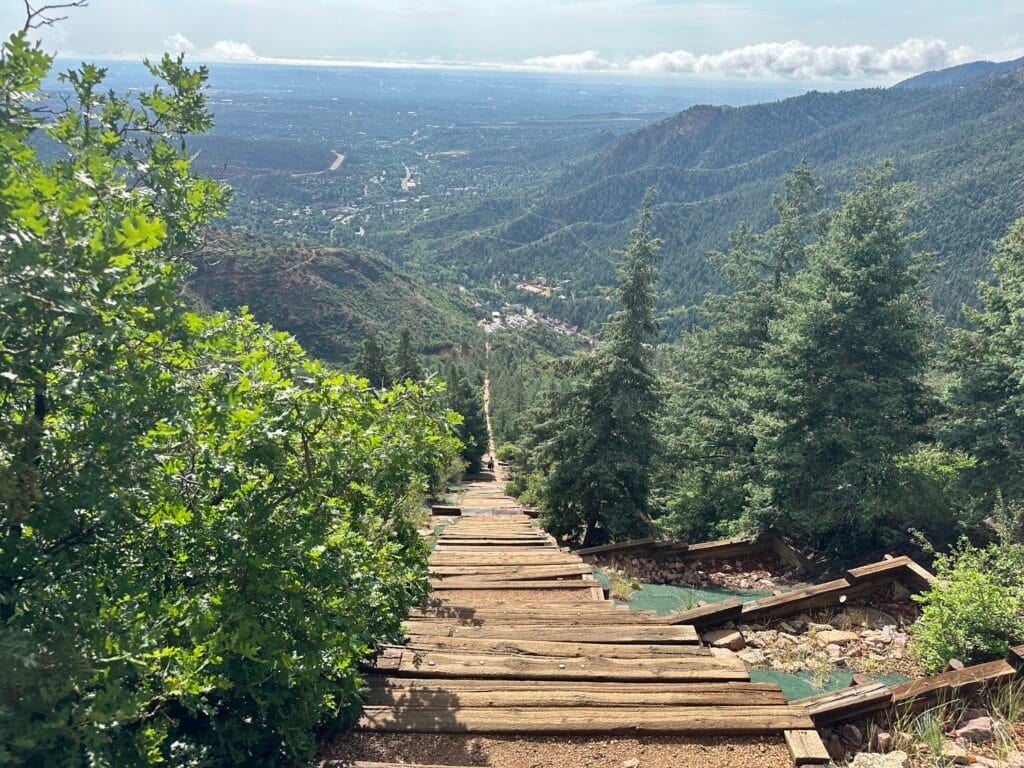
Day 2: Great Sand Dunes National Park
Drive from Colorado Springs: 2 hours 30 minutes, 150 miles west via US-50 and US-285
This is one of Colorado’s most unique landscapes and is criminally underrated. The largest sand dunes in North America sit at the base of the Sangre de Cristo Mountains, creating a surreal juxtaposition you have to see to believe.
I’ve been to the Great Sand Dunes several times over the years, but my favorite trip was when I took my near-2-year-old. It’s a haven for the kiddos. They will play and have fun all day.
Dog owners beware. Their paws will burn on the hot sand.
Why Visit: The Great Sand Dunes are one of the most unique places to visit in Colorado. Where else can you play on massive sand dunes, splash in a seasonal creek, and stargaze under designated Dark Sky?
Top Activities at Great Sand Dunes National Park:
Hike/Play on the Dunes (2-4 hours)
- High Dune (3 miles RT, 650 ft elevation gain): Most popular dune, stunning views
- Star Dune (5 miles RT, 750 ft elevation gain): Tallest dune at 755 feet, more challenging. I only recommend this if you like suffering in the words way.
- Just explore: No trails on dunes – wander wherever you want
- Sandboarding/sledding: Rent boards in Alamosa ($20/day) or nearby shops
- Zapata Falls Hike: Nearby. One of Colorado’s best waterfall hikes
- Medano Pass Primitive Road: 4×4 required, but skips the crowds.
- Warning: Sand surface temps can reach 150°F in summer. Go early morning or evening, wear closed-toe shoes.
Medano Creek (Seasonal, late May-June)
- Seasonal stream flows across dunes from snowmelt
- Kids (and adults) love splashing in the creek
- Best flow typically Memorial Day through late June
- Bring water shoes and sunscreen
- Lots of mosquitoes – bring bug spray!
Stargazing
- International Dark Sky Park designation
- Milky Way is visible on clear nights
- Ranger programs are offered in the summer
- Best viewing: New moon phases
Where to Eat:
- Eat in Alamosa (35 miles away, nearest real town)
- Calvillo’s Mexican Restaurant (excellent, authentic, reasonable)
- San Luis Valley Brewing Company (craft beer, pub food)
- Milagros Coffeehouse (breakfast, coffee, bagels)
- Pack a picnic: Safeway in Alamosa has groceries
Where to Stay:
- Pinon Flats Campground (in the park, $20/night, book 6 months ahead). This is the most popular campground in Colorado, reserve well in advance
- Budget: Stay in Alamosa (multiple chains, $80-120)
- Mid-Range: Great Sand Dunes Lodge (~$150, just outside park)
- Splurge: Zapata Ranch (~$400+, all-inclusive dude ranch experience)
- Free camping: BLM land north of the park
Local Tips:
- Arrive at sunrise for cooler temps and best light on the dunes.
- The park entrance will close when the parking area is at full capacity. Consider an early start to ensure you have access if you’re visiting on a weekend.
- Bring LOTS of water – you’ll dehydrate fast in sun and sand.
- The visitor center has sand sleds to borrow (free with deposit).
- Check Medano Creek flow conditions before visiting if that’s your main draw.
- Mosquitoes can be intense near the creek and in the campground.
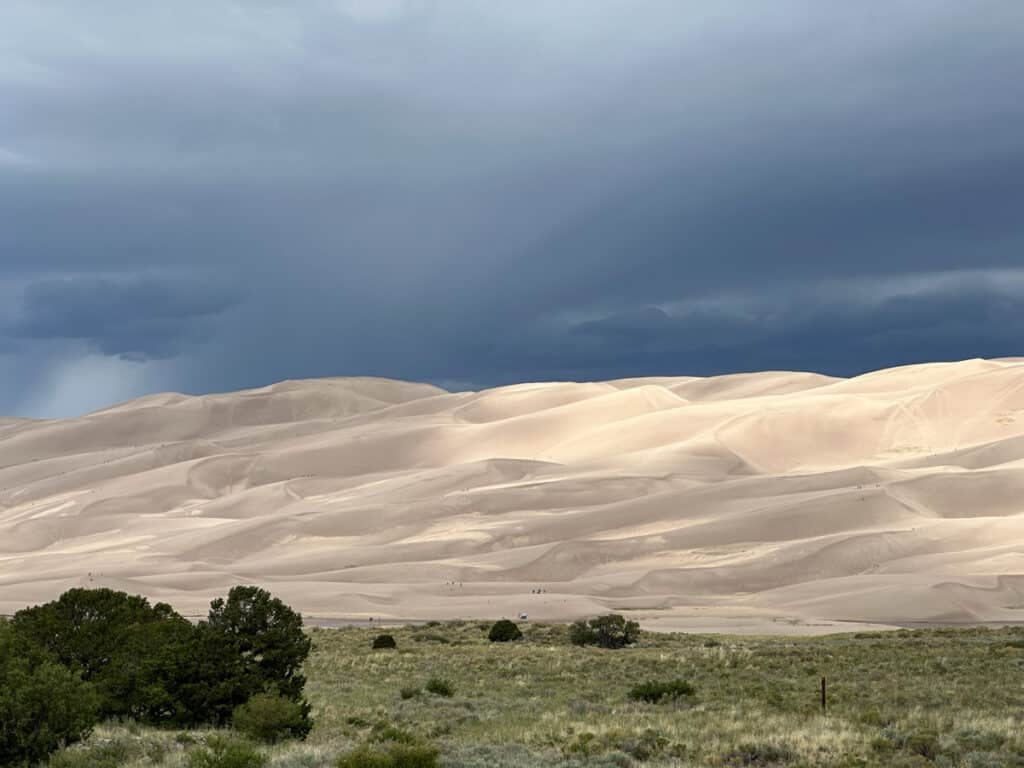
Day 3: Durango & Mesa Verde National Park (Optional)
Drive from Great Sand Dunes: 2 hours 30 minutes, 135 miles west via US-160
Mesa Verde protects over 5,000 archaeological sites, including 600 cliff dwellings built by Ancestral Puebloans 700+ years ago. This is the only national park in the U.S. dedicated to preserving human history rather than natural wonders.
Overnight in Durango (charming historic town with great restaurants) and visit Mesa Verde as a day trip (45 minutes from Durango). Or stay in nearby Cortez.
We took a family trip here when our daughter was 4 months old. I plan on going back when she’s learning about our nation’s first people in school. It was a tough trip with a baby, since there are lots of ladders and the tours are quite long. This is best for bigger kids if you’ve got your family in tow.
If you can’t get any tours, or you are visiting in late July/August, skip Mesa Verde. The tours make the park special. Summers are extremely hot here and your time might be served better elsewhere, especially considering your next destination is one of the most stunning places in the Lower 48.
However, lots of people come to Colorado to check off the national parks. If that’s your mission, then visit Mesa Verde. However, I find Mesa Verde best in October, when the leaves are changing and the weather is pleasant.
Instead, spend an extra day in Ouray. This town is one of the highlights in Colorado.
Top Activities in Mesa Verde:
Mesa Verde Cliff Dwelling Tours (3-5 hours in park)
- Cliff Palace Tour (1 hour, $8): Largest cliff dwelling, 150 rooms, requires climbing 100+ stairs and ladders
- Balcony House Tour (1 hour, $8): More adventurous, includes 32-foot ladder climb and crawling through 12-foot tunnel
- Book tours up to 14 days in advance at recreation.gov (they sell out)
- Self-guided option: Spruce Tree House (currently closed for stabilization work, check status)
Mesa Top Loop Road
- 6-mile scenic drive with pullouts to view cliff dwellings from across canyons
- No reservations needed
Chapin Mesa Archaeological Museum
- Free, air-conditioned, excellent exhibits
- Watch the 25-minute orientation film before tours
Durango Activities (if you have time)
- Historic downtown (great restaurants, shops, breweries)
- Durango & Silverton Narrow Gauge Railroad (scenic train ride, $100+). You likely won’t have time for this without re-working your itinerary (ie staying in Silverton instead of Ouray and just having the train for transport).
- Animas River Trail (easy walking/biking path)
- Lake Nighthorse for SUPing and paddling.
Where to Eat:
- Durango options:
- Steamworks Brewing Co (craft beer, burgers, local favorite)
- Eno’s Pizza (excellent pizza, casual)
- Chimayo (upscale Southwestern, splurge-worthy)
- Derailed Pour House (BBQ, sandwiches, dog-friendly patio)
- Near Mesa Verde: Very limited. Pack snacks/lunch or eat in Mancos (small town, 10 min from park)
Where to Stay:
- Durango Budget: Quality Inn (~$100), Super 8 (~$80)
- Durango Mid-Range: Strater Hotel (historic, downtown, ~$180)
- Near Mesa Verde: Far View Lodge (in the park, ~$150, book early)
- Camping: Morefield Campground (in park, $30, one of best NPS campgrounds)
- Free camping: BLM/Forest Service land around Durango
Local Tips:
- Book cliff dwelling tours when you book the rest of your trip (they sell out fast).
- Afternoon tours are less crowded than morning tours.
- Mesa Verde is at 7,000-8,500 feet – you might feel the altitude on hikes.
- The park entrance is 21 miles from visitor center/cliff dwellings. Factor in drive time.
- Cell service is spotty in the park.
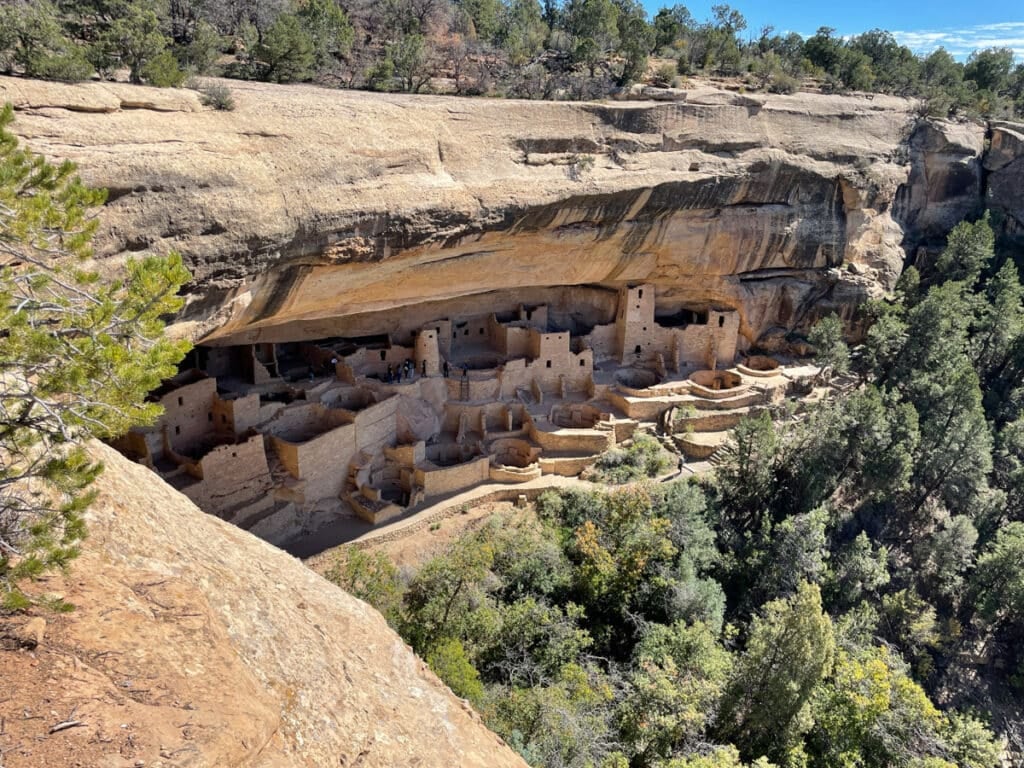
Day 3 and Day 4: Million Dollar Highway to Ouray & Telluride (2 days if skipping Mesa Verde)
Drive from Durango: 2 hours, 95 miles north on US-550 (Million Dollar Highway). Drive time from Alamosa: 4 hrs and 42 minutes via Durango (much more scenic, Google Maps will not take you this way, so check your nav).
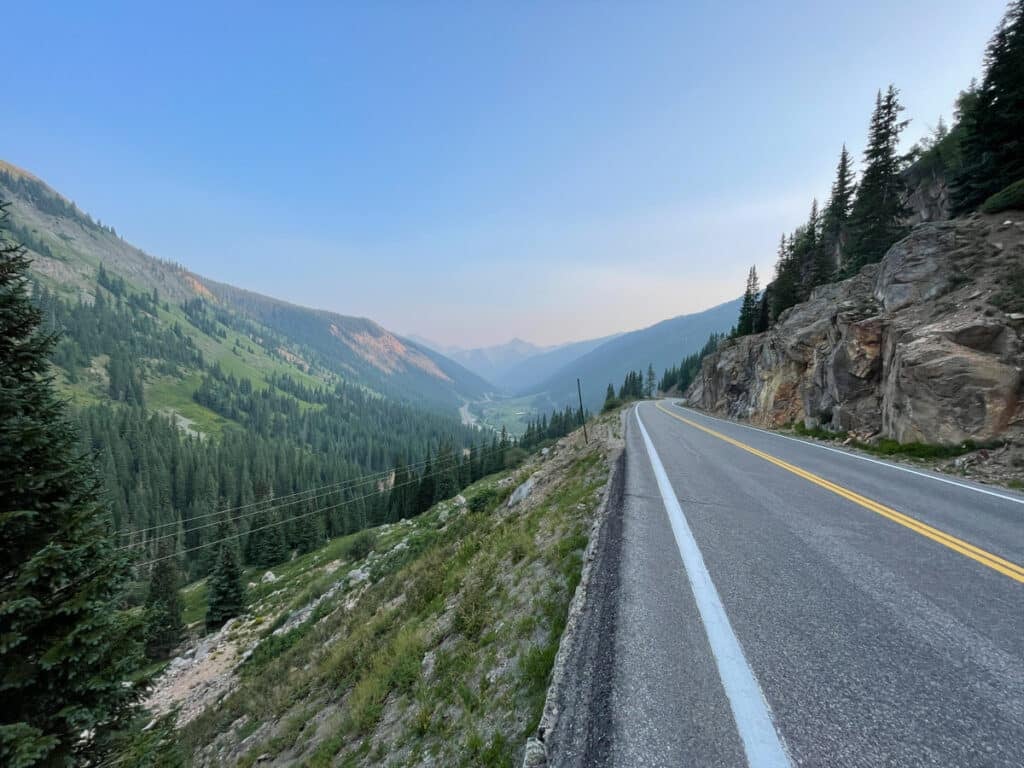
This is my absolute favorite day of any Colorado road trip. The Million Dollar Highway (US-550) between Durango and Ouray is one of America’s most scenic drives – winding through the San Juan Mountains with no guardrails, jaw-dropping drop-offs, and peaks towering all around.
Ouray is my favorite mountain town in Colorado. Period. And Telluride’s free gondola lets you experience a luxury ski town without the luxury prices.
I’ve been to this region of Colorado several times over the years, and I’ll keep coming back. There is a lot to do and see here and the scenery never ceases to amaze me.
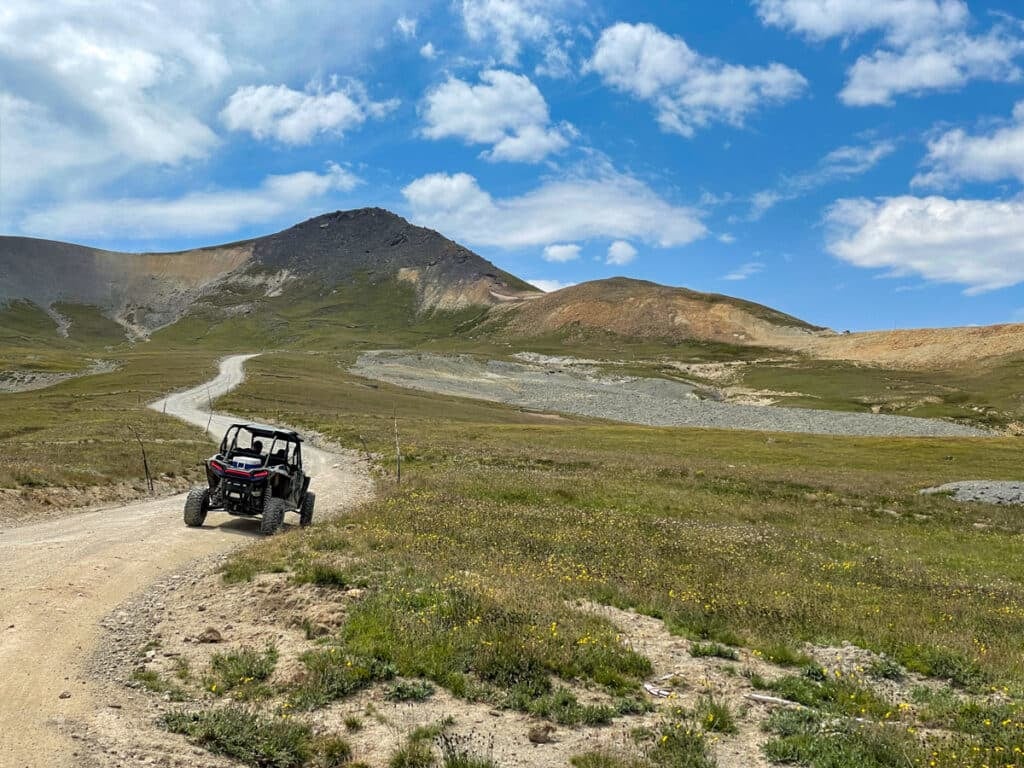
One worthwhile splurge is to rent a side-by-side in Silverton for the day. This region is world-famous for it’s 4×4 roads and a side-by-side provides an easier way to get into the mountains without dealing with the rugged elevation gains.
I would highly recommend using your day with your side by side to enjoy the Alpine Loop, a 92-mile dirt road route that takes you into the heart of the stunning San Juans.
You can manage a side-by-side with minimal experience. The folks at Rock Pirates in Silverton do a great job prepping you for a day out on the trails. You’ll get a fully-loaded GPS, drop-off/pick-up, a packed lunch, and an in-depth safety briefing. There are age limits for kids, so if you’re traveling with your family, do your homework.
Look through this itinerary and decide what you could live without seeing. I’d highly recommend spending two nights here. Especially if you are interested in more challenging hikes or 4×4 driving. This largely depends on what kind of road warrior you are. If you are the kind of person that wants to see as much as possible, it’s doable to spend a day here, but you’ll likely regret it!
Top Activities in Ouray:
Million Dollar Highway Drive (2-3 hours with stops)
- Stop at: Coal Bank Pass, Molas Pass (stunning views), Red Mountain Pass (11,018 ft summit)
- Photo ops: Countless pullouts
- Note: No guardrails on many sections. Don’t drive if you’re afraid of heights.
- Best direction: North from Durango, so the driver is away from the cliff edge
Ouray (afternoon/evening)
- Ouray Hot Springs Pool: Municipal pool fed by natural hot springs ($25, locals love it)
- Box Canyon Falls: Short walk to impressive 285-foot waterfall ($5 entrance)
- Downtown Ouray: Historic mining town, great shops and restaurants
- Ouray Ice Park (winter only): Free ice climbing, via ferrata routes
- Ice Lake Hike: One of the prettiest in the San Juans. I prefer the quieter Columbine Lake (4×4 recommended)
- 4×4 driving: Engineer Pass, the Alpine Loop, Ophir Pass, Black Bear Pass (experienced drivers only). You can rent a 4×4 for the day.
- Yankee Boy Basin: 4×4 required for 1/2 the road, but you can also hike the road
- Blue Lakes Hike: Permit required.
- Telluride via Ferrata: Guide recommended if you are not an experienced climber
Telluride Free Gondola (if time allows)
- Only free public gondola system in North America
- 13-minute ride connects Telluride to Mountain Village
- Stunning San Juan Mountain views
- Operates year-round (with maintenance closures)
- My tip: Go at sunset for incredible light
- Note: 45 minutes from Ouray to Telluride, winding mountain road
Where to Eat:
- Ouray:
- Bon Ton Restaurant (Italian, cozy, excellent)
- Reds (burgers, pizza, casual, good value)
- Mouse’s Chocolates & Coffee (breakfast, coffee, pastries)
- Telluride (if you go):
- Brown Dog Pizza (excellent pizza, reasonable for Telluride)
- Telluride Brewing Co (craft beer, pub food)
Where to Stay:
- Ouray Budget: Ouray Riverside Inn (~$120), Budget Host Inn (~$90). Ironton area for dispersed camping (fills up on weekends).
- Ouray Mid-Range: St. Elmo Hotel (historic, charming, ~$160)
- Telluride (if you splurge): Hotel Columbia (~$250+), Victorian Inn (~$200+)
- Camping: Amphitheater Campground near Ouray ($24, walk-in sites, beautiful)
- Free camping: Abundant BLM/Forest Service sites on roads around Ouray
Local Tips:
- Stay in Ouray, not Telluride, unless budget is unlimited. Same scenery, a fraction of the price.
- There’s only one road in/out of Telluride. If you just want the gondola experience, go straight there and back. Feel free to skip Telluride if you’re short on time.
- Million Dollar Highway is plowed in winter but can be treacherous. Summer is best.
- Ouray is 7,792 feet elevation – moderate altitude.
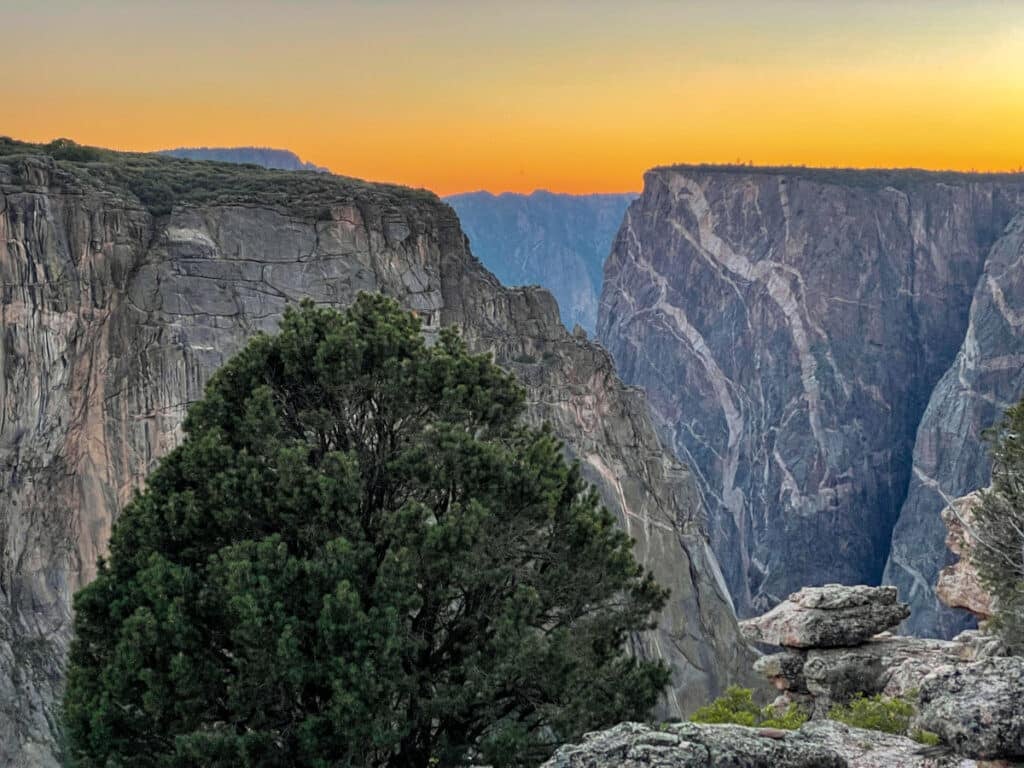
Day 5: Black Canyon of the Gunnison National Park
Drive from Ouray: 2 hours 30 minutes, 85 miles northeast via US-550
The Black Canyon is one of Colorado’s most dramatic and least-crowded national parks. These nearly vertical walls of black granite plunge 2,000+ feet down to the Gunnison River below. It’s called “black” because parts of the inner canyon get only 33 minutes of sunlight per day.
I’ve been to both sides of the Black Canyon of the Gunnison. The hikes into the canyon are no joke! I was actually left at the bottom by my (terrible) ex-boyfriend when I first moved to Colorado. Yikes!
I eventually returned to the Black Canyon several years later and climbed the walls to the top! What a different experience.
This area was ravaged by fires in 2025, but the park’s vertigo-inducing walls are still worth a look. One of the most underrated areas of Colorado in my opinion!
Top Activities:
South Rim Road Scenic Drive (2-3 hours)
- 7-mile paved road with 12 viewpoints
- Don’t miss: Sunset View, Chasm View, Painted Wall (tallest cliff in Colorado at 2,250 feet)
- Stop at: Warner Point for panoramic views
- All viewpoints accessible by short walks from parking
Rim Hikes
- Warner Point Nature Trail (1.5 miles RT, easy, best overview of canyon)
- Oak Flat Loop Trail (2 miles RT, easy, shady oak forest)
- Rim Rock Nature Trail (1 mile RT, very easy, near visitor center)
Inner Canyon Hikes (for the adventurous)
- WARNING: These are considered among the most difficult trails in the NPS
- Require free permit from visitor center (available day-of)
- Gunnison Route: 1 mile, 1,800 ft descent to river, unimaintained, use of hands required
- Only attempt if you’re experienced and fit
North Rim Option (for solitude seekers)
- Less developed, less crowded alternative
- Requires 2-hour drive around canyon via dirt roads (last 5 miles unpaved)
- Equally stunning views
- Only accessible May-November (weather dependent)
Where to Eat:
- Eat in Montrose (15 minutes from South Rim entrance)
- Horsefly Brewing Co (craft beer, sandwiches, pizza, relaxed)
- Camp Robber (coffee, breakfast, pastries)
- Colorado Boy Pizzeria (wood-fired pizza, salads)
- Pack a picnic: No food services in the park
Where to Stay:
- Montrose Budget: Super 8 (~$80), Quality Inn (~$90)
- Montrose Mid-Range: Best Western Plus (~$130), Holiday Inn Express (~$140)
- Camping: South Rim Campground (in park, $22, first-come/first-served, usually available except holidays)
- Free camping: BLM land around Montrose
Local Tips:
- Visit at sunset for incredible light on the canyon walls.
- South Rim is easier to access and has more amenities than North Rim.
- The park is 8,000 feet elevation – dress in layers.
- Cell service is limited.
- This park gets FAR fewer visitors than other Colorado NPs – enjoy the solitude!
Optional Add-On:
- Curecanti National Recreation Area (between Gunnison and Montrose): Blue Mesa Reservoir, boat tours
Day 6: Glenwood Springs, Hanging Lake & Maroon Bells
Drive from Black Canyon: 2 hours 30 minutes, 115 miles northwest
Today you’re hitting two of Colorado’s most iconic spots: Hanging Lake (one of the state’s most beautiful hikes) and Maroon Bells (the most photographed peaks in Colorado). Both require permits/reservations, so hopefully you booked months ago!
This is a PACKED day – so if it seems too overwhelming, consider spending two days in this area. Alternatively, pick one activity with a hot springs break.
If you are looking for mountain scenery, the Maroon Bells is worth visiting. If you’re over mountain scenes and you want to explore a fairytale land, Hanging Lake is your best bet.
I’ve been to this area countless times both with my family and without. Backpacking the Four Passes Loop is iconic, it’s also a famous ultra running objective. I’ve backpacked and done this trail in a day.
Kids LOVE Glenwood. The Adventure Park is worht a 1/2 day with school aged kids. The Glenwood Hot Springs are as family friendly as it gets.
There’s a lot on offer here. One day will feel rushed, 2 days will let you hit the highlights. And 3 days will let you dive a little deeper.
Top Activities:
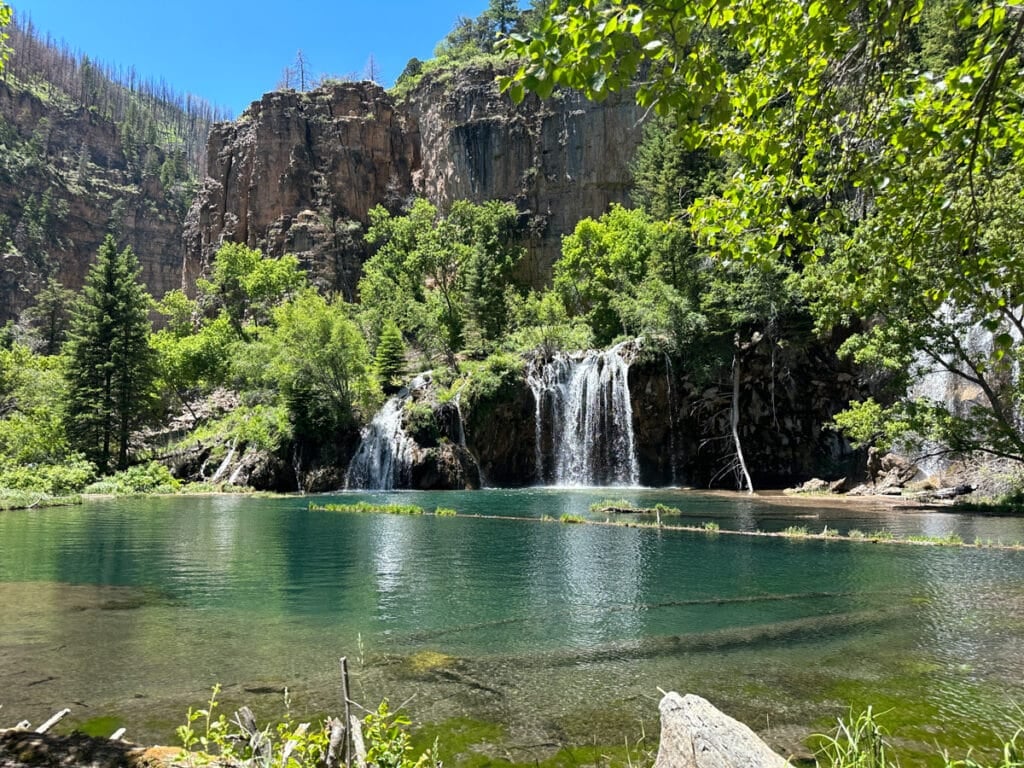
Hanging Lake Hike (morning, 3-4 hours)
- Stats: 3.1 miles round-trip, 1,000 feet elevation gain
- Difficulty: Moderate to strenuous (steep with rocky steps)
- Permit: Required year-round, $12, book 4+ months ahead
- Current status: Check for closures (trail damaged in 2021, ongoing work)
- What makes it special: Turquoise lake hanging on side of cliff, travertine formations, waterfalls
- Access: Shuttle from Glenwood Springs or reserved parking at trailhead
- Warning: No dogs, no swimming, no drones – strictly enforced
Glenwood Hot Springs (afternoon/evening)
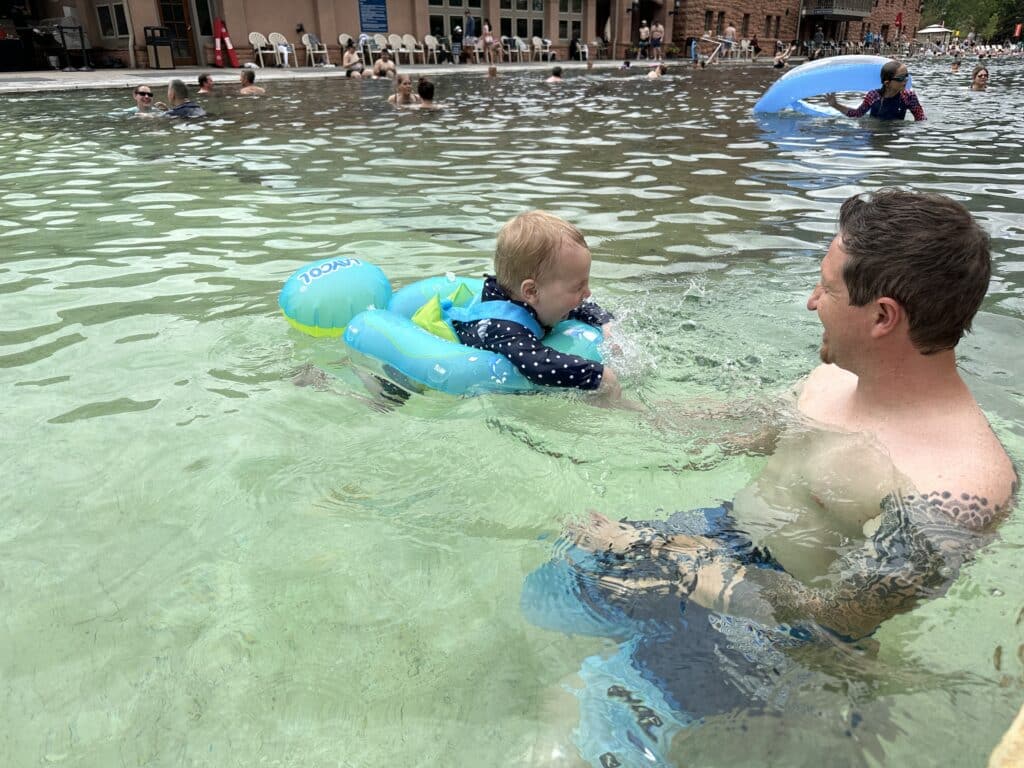
- Glenwood Hot Springs Pool: World’s largest hot springs pool, family-friendly, waterslide ($50)
- Iron Mountain Hot Springs: More intimate, 16 soaking pools, better for couples ($50)
- My take: Iron Mountain is nicer for adults; Glenwood Hot Springs is better for families
Maroon Bells (late afternoon, 45 min from Glenwood via Aspen)
- Most photographed peaks in Colorado (and for good reason)
- Access: Bus ($16 RT) or drive before 8am/after 5pm with parking reservation ($10)
- Maroon Lake Scenic Loop: Easy 1.5-mile trail around lake
- Crater Lake Trail: 3.6 miles RT, moderate, stunning views
- Best time: Sunrise or late afternoon for photos
- Peak fall colors: Last week of September
- Alternative if permits sold out: Drive up early (before 8am) or late (after 5pm)
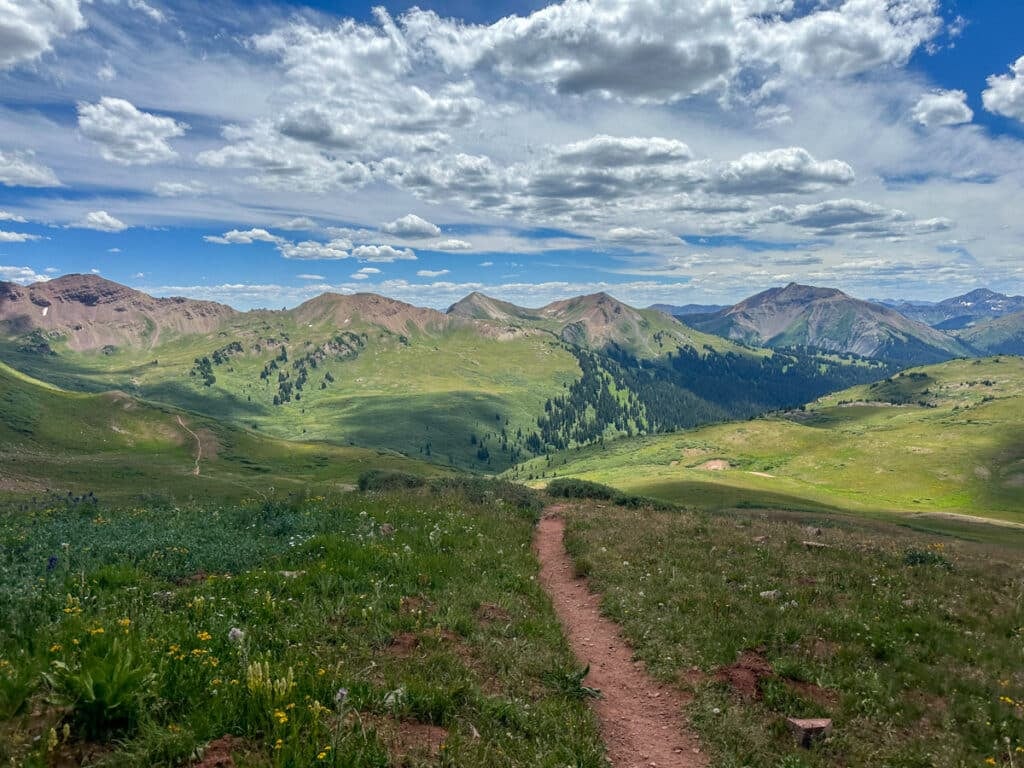
Carbondale Option (quieter alternative to Aspen)
- 20 minutes from Glenwood Springs
- Charming small town with excellent restaurants
- Penny Hot Springs: FREE natural hot springs right in the river (clothing-optional after dark)
- Mount Sopris views
- First Friday art walks
- My take: I love Carbondale. It’s what Aspen used to be before billionaires took over.
Where to Eat:
- Glenwood Springs:
- Slope & Hatch (street tacos, creative, excellent)
- Polanka Restaurant (Czech food, unique, hearty)
- Sweet Coloradough (donuts, breakfast, coffee)
- Carbondale:
- White House Pizza (excellent pizza, local favorite)
- Phat Thai (excellent Thai food)
- Village Smithy (breakfast, burgers, classic diner)
Where to Stay:
- Glenwood Springs Budget: Frontier Lodge ($90), Hotel Denver ($120)
- Glenwood Springs Mid-Range: Hotel Colorado (historic, $170), Glenwood Hot Springs Resort ($200, includes pool access)
- Carbondale: Various Airbnbs (~$120-200)
- Free camping: Two rest areas east of Glenwood (clean bathrooms, safe, quiet)
- Camping: Bair Ranch (near Carbondale, $30)
Local Tips:
- Book Hanging Lake permit when you book your trip – they sell out immediately.
- Check trail status before going (ongoing rehabilitation from 2021 fire).
- Maroon Bells bus books up fast but is the easiest option.
- If you can’t get Maroon Bells permits, drive up before 8am or after 5pm.
- Glenwood Springs Canyon bike path is excellent if you have time.
Day 7: Rocky Mountain National Park & Estes Park
Drive from Glenwood Springs: 3 hours 30 minutes, 160 miles northeast
You’re ending your Colorado road trip where most people start – at Colorado’s most famous national park. Rocky Mountain National Park delivers alpine lakes, abundant wildlife, and Trail Ridge Road, the highest continuous paved road in North America.
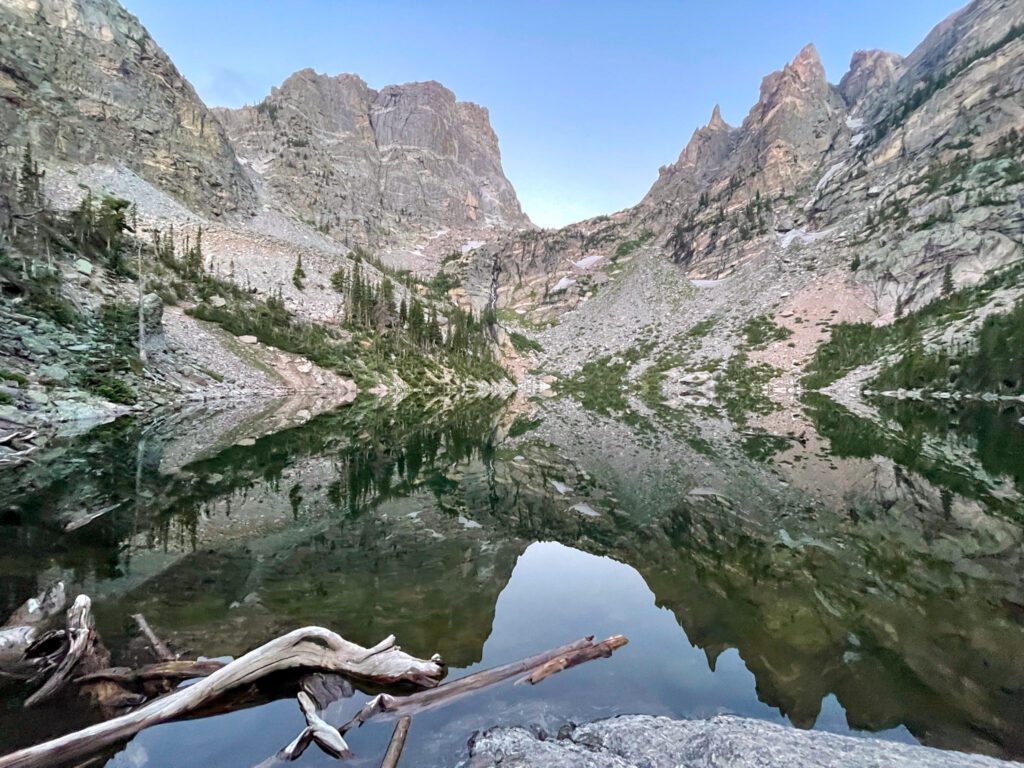
I HIGHLY recommend an early start here. Like mega-early. Over the years, I have done everything from the very easy Emerald Lake hike to climbing technical towers, including the famous Longs Peak.
If you want to get serious about hiking, you’ll want to aim to spend the day in Glenwood/Aspen and continue driving closer to the park.
If you’re just looking for scenic pullouts and driving Trail Ridge Road, then you can get away with staying in Glenwood.
Just plan your day accordingly.
The Bear Lake Corridor requires a special timed entry to drive the road, and parking is almost always full at the lots. Your best bet at parking is to park before the timed entry starts – that’s 5 am! So consider your options carefully.
Top Activities:
Trail Ridge Road (2-3 hours with stops)
- Stats: 48 miles, crosses Continental Divide at 12,183 feet
- Opens: Late May (weather dependent), closes at first major snowfall (late October)
- Must-stop viewpoints: Many Parks Curve, Forest Canyon Overlook, Alpine Visitor Center, Lava Cliffs
- Wildlife: Elk, bighorn sheep, marmots, pika
- Warning: Summit is COLD and windy even in summer. Bring warm layers.
Bear Lake Area Hikes (half-day)
- Timed entry required: 5 am-6 pm, late May through mid-October, book at recreation.gov
- Arrive by 4:45am to beat crowds and skip timed entry requirement
Easy Options:
- Bear Lake Loop (0.8 miles, paved, stunning views, accessible)
- Nymph Lake (1 mile RT, easy, pretty lake)
Moderate Options:
- Dream Lake (2.2 miles RT, iconic views of Hallett Peak and Flattop Mountain)
- Emerald Lake (3.6 miles RT, turquoise alpine lake, most popular)
Challenging Options:
- Sky Pond (9 miles RT, 1,700 ft gain, scrambling required, worth every step)
- Loch Lake (5.4 miles RT, beautiful alpine lake, less crowded than Emerald)
Wildlife Viewing
- Elk: Moraine Park, Horseshoe Park, Beaver Meadows (dawn/dusk)
- Bighorn Sheep: Sheep Lakes (May-June), Fall River Road
- Moose: West side of park near Grand Lake, Colorado River
- Best time: Early morning or late evening
Estes Park (if time allows)
- Downtown shops and restaurants
- Stanley Hotel (inspiration for The Shining, offers tours)
- Lumpy Ridge for easier hiking away from crowds
- Sprague Lake for easy sunset views
Where to Eat:
- Estes Park:
- Smokin’ Dave’s BBQ & Brew (BBQ, craft beer, hearty portions)
- Notchtop Bakery & Cafe (breakfast, pastries, coffee, excellent)
- Ed’s Cantina (Mexican food, margaritas, local favorite)
- Scratch Deli (sandwiches, soup, quick lunch)
Where to Stay:
- Estes Park Budget: YMCA of the Rockies ($100, great for families), Budget Host Silver Saddle ($80)
- Estes Park Mid-Range: Stanley Hotel (~$250, historic, worth it for the experience)
- Camping: Moraine Park Campground (in RMNP, $30, book 6 months ahead), Olive Ridge Campground (outside park, $25)
- Free camping: Roosevelt National Forest roads (dispersed camping abundant)
Return to Denver: 1 hour 30 minutes, 65 miles via US-36
Local Tips:
- Get to Bear Lake trailhead parking before 5 am on summer weekends (seriously, 5 am).
- Trail Ridge Road afternoon thunderstorms are common – go in morning if possible.
- RMNP gets over 4.5 million visitors per year. Embrace the early mornings for solitude.
- Moraine Park and Horseshoe Park are best for elk viewing at dawn/dusk.
- If timed entry permits are sold out, enter before or after the timed entry requirements.
Denver Options (if you have time before your flight)
- Red Rocks Amphitheatre & Park (Morrison, 40 min from airport)
- RiNo Art District (murals, galleries, breweries)
- Lowdown Brewing (fried chicken and beer)
- Union Station area
10-Day Extended Colorado Road Trip
Have 10 days instead of 7? Here are my quick suggestions
- Add a full day in Ouray
- Add a full day in Glenwood Springs/Aspen area
- Add a full day in Rocky Mountain National Park
Prefer to bounce around? Then you can easily add these stops to the previous itinerary and travel fast. My personal preference would be to pick 1-2 places in the above itinerary, then add one stop from the list below.
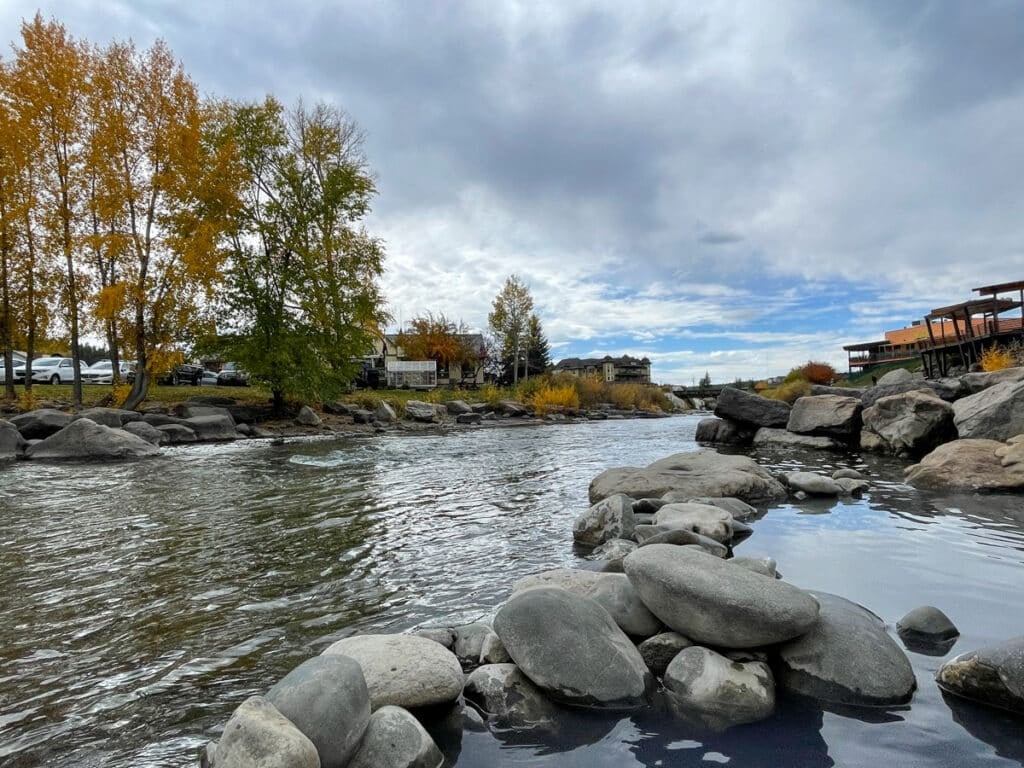
Day 3.5: Add Pagosa Springs
Between: Great Sand Dunes and Durango
Drive Time: 1 hour 30 min from Great Sand Dunes, 1 hour to Durango
Why Visit: World’s deepest geothermal hot springs
Activities:
- The Springs Resort (23 soaking pools, 83°F-112°F)
- San Juan River activities
- Chimney Rock National Monument
- Wolf Creek Ski Area (winter)
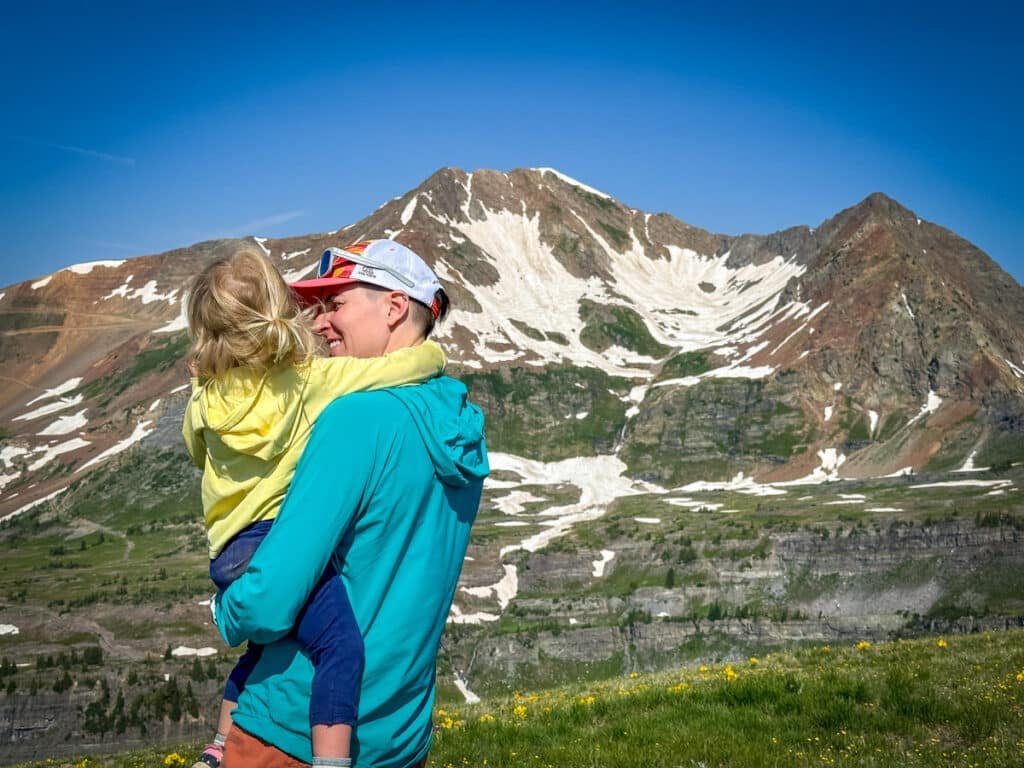
Day 5.5: Add Crested Butte
Between: Black Canyon and Glenwood Springs
Drive Time: 1 hour from Black Canyon
Why Visit: Mountain biking mecca, top Colorado wildflower hiking, fall colors
Activities:
- Mountain biking (world-class trails)
- Wildflower hikes (peak mid-July)
- Kebler Pass aspen groves (fall)
- Charming Victorian downtown
- Fat biking in winter
- Scarp Ridge
- Hiking from Crested Butte to Aspen (overnight)
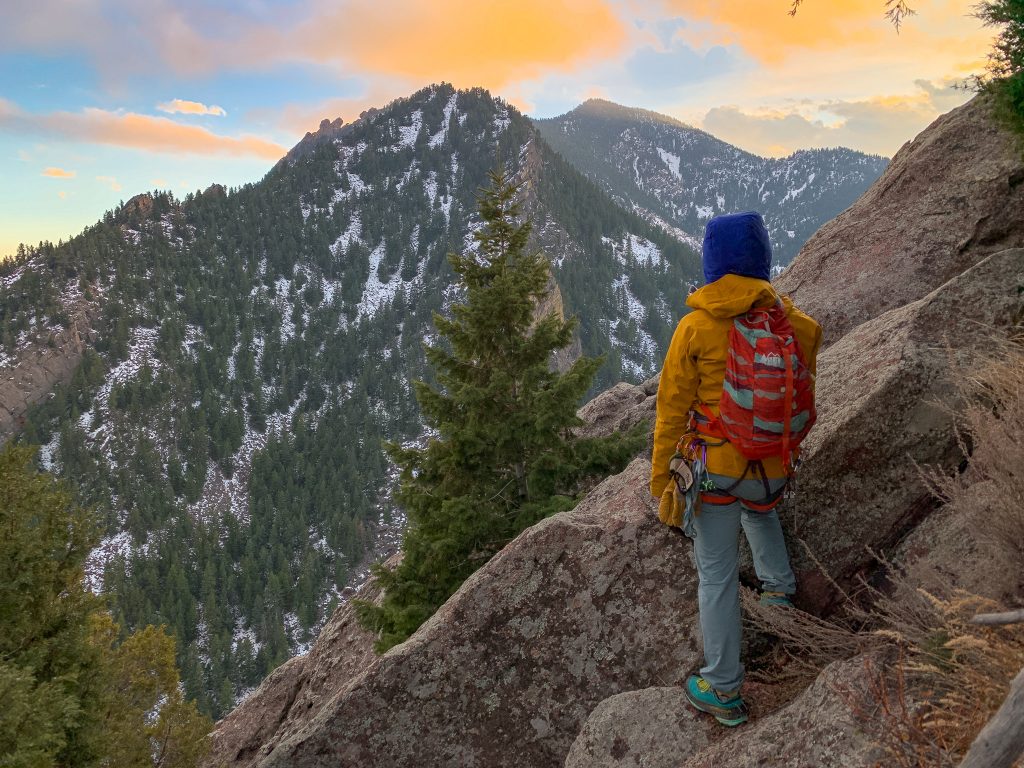
Day 7.5: Add Boulder & Indian Peaks Wilderness
Between: Glenwood Springs and Rocky Mountain NP
Drive Time: 2 hours to Boulder
Why Visit: Outdoor culture capital, easier alternative to RMNP crowds
Indian Peaks Wilderness Activities:
- Brainard Lake Recreation Area hikes (timed entry required)
- Mirror Lake and Lone Eagle Peak
- Lake Isabelle Hike
- South Arapaho Peak (4×4 required)
Boulder Activities:
- Chautauqua Park and Flatirons trails
- Pearl Street Mall
- Dushanbe Teahouse
- Craft breweries
- Eldorado Canyon State Park
5-Day Quick Colorado Road Trip
Short on time? This condensed itinerary hits the absolute highlights.
Day 1: Denver/Boulder exploration
Day 2: Rocky Mountain National Park
Day 3: Rocky Mountain National Park/Glenwood Springs & Hanging Lake
Day 4: Glenwood Springs & Hanging Lake
Day 5: Garden of the Gods/Colorado Springs, return to Denver
What You’re Missing: Mesa Verde, Great Sand Dunes, San Juan Mountains (Ouray/Telluride), Maroon Bells
My Take: Five days feels rushed. You’ll spend more time driving than exploring. If you only have 5 days, consider focusing on just northern or southern Colorado instead of the full loop.
14-Day Ultimate Colorado Road Trip
Have two full weeks? This itinerary covers absolutely everything with time to really explore each destination.
Days 1-10: Follow the base 7-day itinerary with additional days in Ouray/Telluride, Rocky Mountain National Park, Glenwood Springs/Aspen
Days 11-14: Add these destinations
Steamboat Springs Between Glenwood Springs/Aspen and RMNP
- Strawberry Park Hot Springs (THE best hot springs in Colorado)
- Rabbit Ears Pass scenic drive
- Fish Creek Falls
- Winter: skiing and snowmobiling
Grand Junction & Fruita between Black Canyon of the Gunnison and Glenwood Springs
- Colorado National Monument (red rocks and canyons)
- World-class mountain biking
- Palisade wine country
- Devil’s Canyon trail
- World-famous mountain biking trails
- Best time: Fall/spring (summer is 100°F+)

Summit County between Glenwood Springs and Steamboat Springs or RMNP
- Main Street shops and restaurants
- Biking the path between Breckenridge and Frisco
- Hiking (Quandary Peak 14er, McCullough Gulch). Check road conditions. Shuttle required for Quandary.
- Paddleboarding on Dillon Reservoir
Frisco
- Less crowded than Breckenridge
- Marina access to Dillon Reservoir
- Extensive bike path system
- More affordable lodging
Route Maps & Options
Main Loop Route (7-10 days)
Clockwise from Denver: Denver → Colorado Springs → Great Sand Dunes → Durango → Mesa Verde → Ouray → Telluride → Black Canyon → Glenwood Springs → Maroon Bells → Rocky Mountain NP → Denver
Total Distance: ~1,100 miles
Why Clockwise: Better altitude acclimatization, driver on inside of cliffs on Million Dollar Highway
Alternative Routes
National Parks Focus (10 days): Prioritizes all 4 Colorado national parks with minimal mountain town time
Scenic Byways Tour (7-10 days):
- Trail Ridge Road
- Million Dollar Highway
- San Juan Skyway
- Peak to Peak Scenic Byway
- Top of the Rockies
Southwest Colorado Deep Dive (7 days): Focus entirely on San Juan Mountains region
Northern Colorado Loop (5-7 days): RMNP, Steamboat, Fort Collins, Boulder, Denver
Frequently Asked Questions
How many days do you need for a Colorado road trip?
The ideal Colorado road trip is 7-10 days. This gives you enough time to visit 2-3 national parks, explore mountain towns, and drive scenic byways without feeling rushed. Five days is the bare minimum (and feels fast-paced), while 14 days allows you to see virtually everything with a relaxed pace. Most visitors find 7 days hits the sweet spot between comprehensive coverage and realistic vacation time.
What’s the best route for a Colorado road trip?
The best Colorado road trip route is a loop starting and ending in Denver, traveling clockwise through Colorado Springs, Great Sand Dunes, Durango/Mesa Verde, Ouray/Telluride, Black Canyon of the Gunnison, Glenwood Springs, Maroon Bells, and Rocky Mountain National Park. This clockwise route provides gradual altitude acclimatization, positions the driver away from cliff edges on the Million Dollar Highway, and covers approximately 1,100 miles over 7-10 days.
Can you visit all 4 Colorado national parks in one trip?
Yes, you can visit all four Colorado national parks (Rocky Mountain, Great Sand Dunes, Mesa Verde, and Black Canyon of the Gunnison) in a single road trip with 10-14 days. A 7-day itinerary can include all four but requires efficient routing and early starts. The parks are spread across Colorado, so expect significant driving: Great Sand Dunes to Mesa Verde (2.5 hours), Mesa Verde to Black Canyon (3 hours), and Black Canyon to Rocky Mountain NP (5+ hours).
When is the best time for a Colorado road trip?
The best time for a Colorado road trip is July through September when all mountain passes are open, weather is most stable, and you can access high-elevation trails. Late June and early September offer shoulder-season advantages (fewer crowds, lower prices, wildflowers or fall colors) while maintaining good weather. Avoid late October through May when Trail Ridge Road and Independence Pass are closed, though winter offers excellent skiing and hot springs experiences.
How much does a Colorado road trip cost?
A 7-day Colorado road trip costs $700-1,050 per person for budget travelers (camping, cooking meals), $1,400-2,100 for mid-range travelers (hotels, restaurant meals), and $2,800+ for luxury travelers (upscale lodging, guided tours). Major expenses include lodging ($0-500/night), food ($30-200/day), gas ($200-400 total), and park entrance fees ($80 for America the Beautiful Pass covers all national parks).
Do I need a 4WD vehicle for a Colorado road trip?
You do NOT need a 4WD vehicle for this Colorado road trip itinerary – all destinations are accessible via paved roads suitable for any car. However, 4WD or AWD is helpful for accessing dispersed camping sites, exploring backroads, and winter travel.
If you plan to drive unpaved forest roads to remote trailheads or visit in winter, 4WD becomes more valuable. Otherwise, any reliable vehicle works perfectly for this route. I own a 4Runner – I can get almost anywhere in Colorado and that’s my preferred road trip vehicle, so I don’t have to worry about road access.
What should I pack for a Colorado road trip?
Pack layers for temperatures ranging 30°F-90°F in a single day, including a warm jacket, rain jacket, t-shirts, and long pants. Essential items include sunscreen (high-altitude UV is intense), reusable water bottles, hiking boots, sunglasses, a wide-brim hat, first-aid kit with altitude sickness medication, headlamp, and bear spray if camping. Colorado’s weather changes rapidly – always have warm layers and rain gear accessible, even on sunny days.
How do I avoid altitude sickness on a Colorado road trip?
Avoid altitude sickness by starting your trip at lower elevations (Colorado Springs at 6,035 feet) and gradually ascending over 2-3 days before attempting high-elevation activities. Drink 2-3 times more water than normal, avoid alcohol for the first 24-48 hours, take it easy your first day, and sleep at lower elevations than you hike when possible. If you experience severe headache, nausea, or shortness of breath, descend immediately as altitude sickness can be serious.
What permits do I need for Colorado national parks?
Rocky Mountain National Park requires timed entry permits ($2 plus $35 park entrance) from late May through mid-October, bookable 90 days in advance. Hanging Lake requires advance permits ($12) booked 4+ months ahead. Maroon Bells requires bus tickets ($16) or parking reservations ($10). Mesa Verde’s cliff dwelling tours require reservations ($8 per tour) up to 14 days in advance. America the Beautiful Pass ($80) covers entrance fees for all national parks and is worth it if visiting 3+ parks within a year.
Is it safe to drive in the Colorado mountains?
Driving in Colorado mountains is safe if you follow basic precautions: take mountain curves slowly, use lower gears on steep descents, watch for wildlife on roads (especially dawn/dusk), pull over to let faster traffic pass on left, and expect afternoon thunderstorms in summer. The Million Dollar Highway has no guardrails and steep drop-offs – avoid if you’re uncomfortable with heights. I-70 weekend traffic is extremely heavy; expect 1-2 hour delays westbound Friday/Saturday and eastbound Sunday. Winter driving requires winter tires or 4WD, chains in vehicle, and avalanche awareness.
Colorado Road Trip Tips from a Local
Here are my biggest quick tips for making the most of your Colorado road trip. From quick weekend getaways to the full-blown tour-de-Centennial State.
Driving in Colorado
I-70 Traffic (This Cannot Be Overstated):
- Westbound Friday 12pm-7pm: Add 1.5-2 hours
- Westbound Saturday 8am-2pm: Add 1-2 hours
- Eastbound Sunday 11:30am-6pm: Add 1.5-2.5 hours
- My strategy: Leave absurdly early (like 6am) or wait until 6pm. There’s no in-between.
Mountain Driving:
- Use low gear on steep descents (save your brakes)
- Pull into turnouts or drive in the right lane to let locals pass (we drive fast, it’s our commute)
- Watch for wildlife, especially at dawn/dusk
- Gas stations are sparse – fill up in bigger towns
- Cell service is spotty – download maps offline
When You Actually Need 4WD:
- You don’t, for this itinerary
- Helpful for: dispersed camping access, exploring side roads, winter travel
- Not needed for: paved scenic byways, national park roads, main highways
Weather & Packing
Colorado Weather is Bipolar:
- 30°F mornings, 80°F afternoons in summer (seriously)
- Afternoon thunderstorms July-August (expect them, plan morning activities)
- Snow is possible in any month above 10,000 feet
- Intense sun at altitude (you WILL sunburn faster)
The Layer System:
- Base layer (moisture-wicking)
- Warm mid-layer (fleece/down)
- Waterproof outer shell
- Always accessible in your car

Crowd-Avoiding Strategies (My Specialty)
Time-Based:
- Sunrise is magic (and empty) many places. Hiking at sunset also sees fewer crowds. Trails fill up from around 7 am through 3pm daily.
- Weekdays vs weekends = 50-70% fewer people
- Shoulder season (May, early September, October) = 30-40% fewer crowds
Location-Based:
- North Rim of Black Canyon vs South Rim (5% of the visitors)
- Indian Peaks Wilderness vs RMNP (less crowded, equally stunning)
- Ouray vs Telluride (same views, half the people, a quarter of the price)
- Carbondale vs Aspen (locals vs billionaires)
Activity-Based:
- Hike past the first viewpoint (90% of people stop there)
- Choose longer trails (crowds drop with mileage, but we are a hiking state. This won’t stop everyone)
- Skip the “most photographed” spots in favor of equally beautiful alternatives
Altitude & Health
Everyone Is Affected:
- Even if you’re fit
- Even if you “never get altitude sick”
- Even if you’ve been to altitude before
- Trust me on this. I’ve gotten altitude sickness and I’ve lived at 8,000 feet for 20 years.
Hydration is Not Optional:
- Drink until you’re peeing clear
- Then drink more
- Coffee and alcohol don’t count (they dehydrate you)
- Bring a water filter for refills on trails
Food & Grocery Strategy
Expensive: Estes Park, Telluride, Vail, Aspen, Breckenridge, Steamboat
Reasonable: Durango, Montrose, Fort Collins, Glenwood Springs, Buena Vista, Salida,
Cheap: Alamosa, Colorado Springs, Denver
My Strategy:
- Grocery shop in reasonable towns or stock up in a city and carry a cooler
- Pack cooler with sandwich supplies, snacks, fruit, etc.
- Splurge on one nice dinner per destination
- Book accommodation with access to a kitchen
Leave No Trace & Etiquette
Pack Out Everything:
- Yes, including orange peels and apple cores (they don’t belong in Colorado ecosystems)
- Dog poop (bag it, carry it out)
- Toilet paper from outdoor bathroom use
- All trash, obviously
Trail Etiquette:
- Uphill hikers have right of way
- Step to the downhill side to let people pass
- Don’t blast music on trails (use headphones or go without)
- Dogs on leash (required throughout Colorado, courteous everywhere)
- Dogs are not allowed off pavement in virtually all national parks. There are a few exceptions, so do your homework before you visit.
Wildlife:
- Don’t approach or feed wildlife (yes, even cute marmots, they carry the plague)
- 25 yards from most animals, 100 yards from bears/moose. If you can hold your hand out and cover the animal with your thumb, you’re good.
- Store food properly when camping (bear boxes, locked car)
Fire Restrictions
Colorado has fire bans from June through September in most areas due to extreme wildfire danger. This varies by year and is changed daily. Check then double check!
Check Current Restrictions:
- A website with all fire info
- Individual national forest websites
- Campground hosts
When Bans Are in Effect:
- No campfires (even in established fire rings)
- No charcoal grills
- Gas/propane stoves are usually OK
- Violations = $5,000 fine and possible jail time
Cannabis Laws
Weed is legal in Colorado, but:
Respect the rules (locals are sick of tourists getting high on trails)
Cannot smoke in public (including trailheads, parking lots, campgrounds)
Cannot smoke and drive (DUI laws apply)
Cannot take it across state lines (federal crime)
Catch me on YouTube!
Want more secret backpacking trips? Ultralight hacks that every hiker can adapt? Experience the top outdoor destinations in the world without the crowds? If you want to get insider knowledge of all things outdoors, then you’ll wanna subscribe to my YouTube channel, where I am giving away my DECADES of knowledge as an outdoor professional. I’ll see ya there!
Other Colorado Trip Ideas
Planning a big trip to colorado? Here are some local resources to help you plan: